Understanding gardens from the ground up

We started with a simple observation: most garden services in Newcastle approached every site the same way, regardless of its specific conditions. Clay soil received the same treatment as sandy loam. Exposed coastal gardens got the same plant selections as sheltered inland plots.

That approach never made sense to us.

What makes us different

We take time to understand each garden's unique characteristics before suggesting any work. Soil testing, drainage assessment, and light pattern observation inform every decision we make.

This means we sometimes recommend against popular plants if they won't thrive in your specific conditions. Better to work with nature than against it.
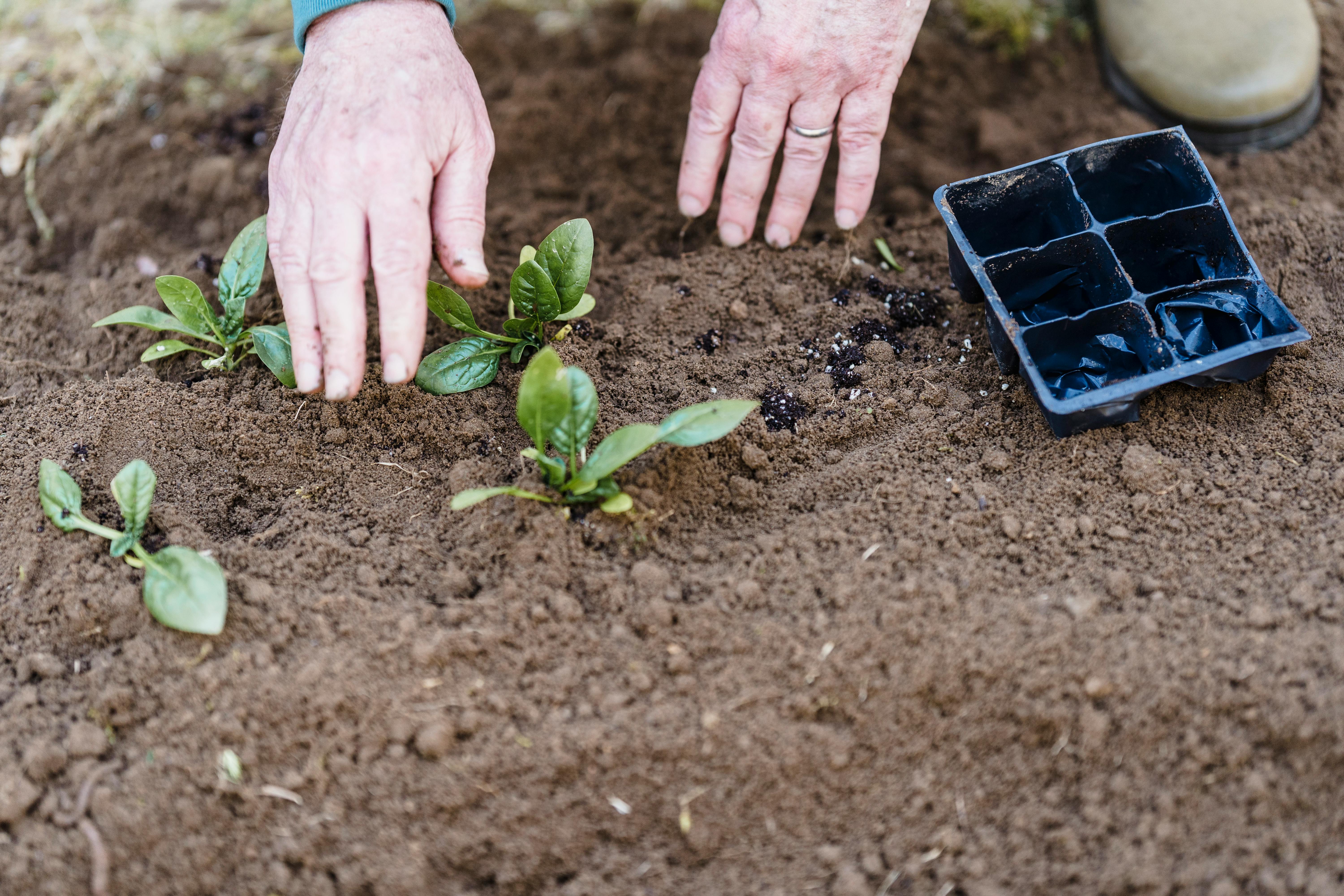
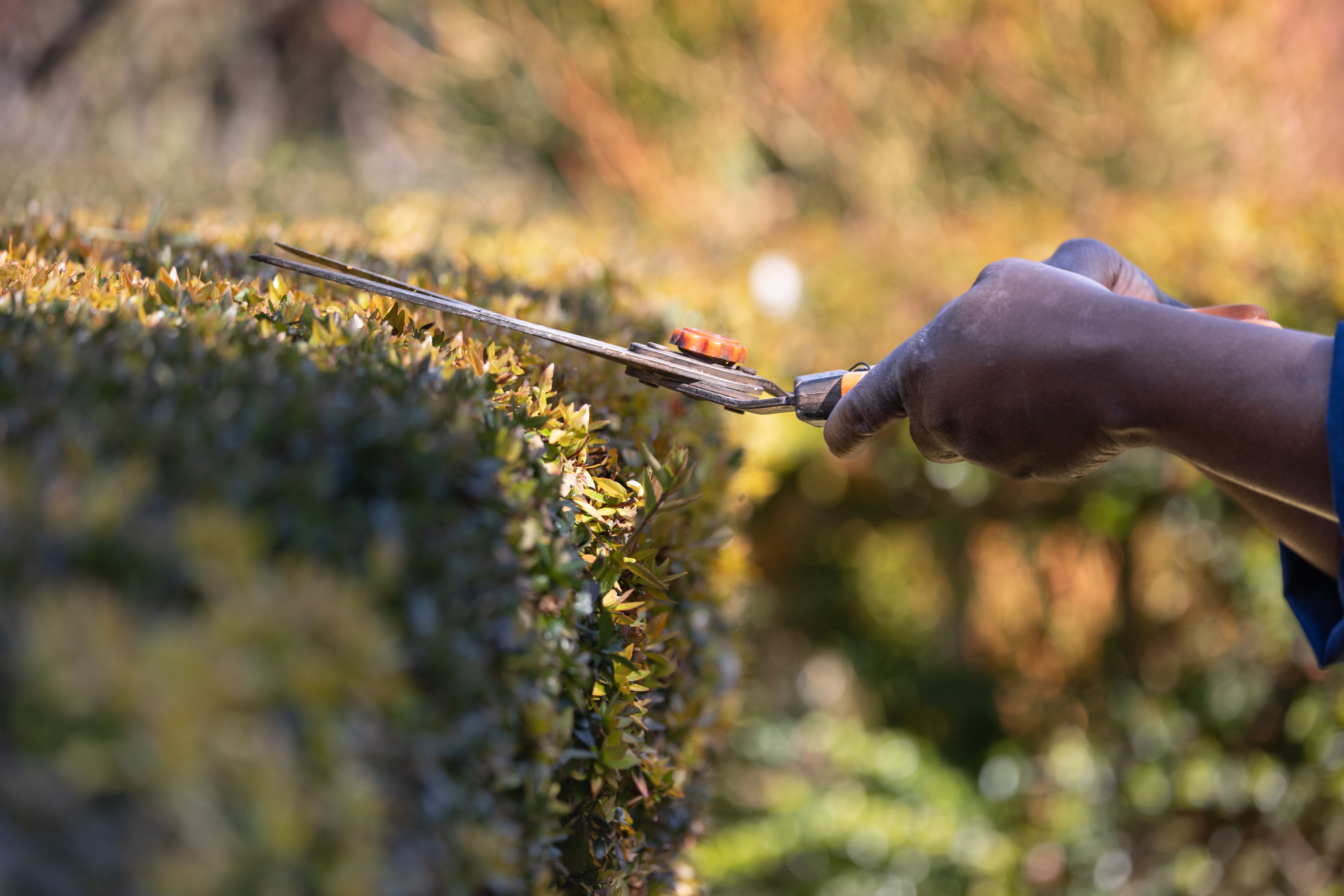
Garden design and planning process

Local expertise that matters

Newcastle's gardens face challenges you won't find in gardening books written for southern England. Our winters are harsher, our growing season shorter, and our soil composition varies dramatically even within a few miles.

We've learned which varieties of common plants perform best here, when to prune different species for optimal results, and how to manage the heavy rainfall that characterises our climate.

This knowledge comes from years of working specifically in Tyneside gardens, not from general horticultural training alone.

How we approach projects

Every new project begins with a site visit. We assess existing conditions, discuss your vision and practical requirements, then develop a plan that aligns both.

For ongoing maintenance, we adapt our schedule to what your garden actually needs rather than following a rigid calendar. Spring might require weekly visits; summer might be fortnightly. We respond to conditions, not arbitrary schedules.

Our pricing reflects this approach. You pay for work that benefits your garden, not for visits that tick boxes.

Professional garden maintenance

Commitment to sustainable practices

We prioritise methods that support long-term garden health over quick fixes. This means building soil quality, encouraging beneficial insects, and selecting plants that establish strong root systems.

Chemical treatments are used sparingly and only when necessary. Most issues can be managed through proper plant selection, appropriate spacing, and timely maintenance.

Work with us

If our approach sounds right for your garden, we'd be glad to discuss your project.

Request a consultation